
Bourbon vs. Rye vs. Scotch vs. Irish: A Field Guide
Share
If someone hands you a glass and says "it's whiskey," they've told you almost nothing. Bourbon, rye, scotch, and Irish whiskey are all whiskey the way a golden retriever and a wolf are both canines, related, but you'll want different expectations walking in. The short version: the grain, the country, and the barrel rules are what separate them, and once you know those three things, every bottle on the shelf starts making sense.
Bourbon: America's Sweet Tooth
Bourbon has to be made in the United States, from a mash that's at least 51% corn, and aged in new charred oak barrels. That last part matters more than people realize: a barrel can only be used once for bourbon, then it usually gets shipped off to age scotch or rum instead. New wood plus fresh char means bourbon pulls a ton of flavor fast: vanilla, caramel, brown sugar, sometimes a coconut note that surprises first-timers.
There's no minimum age requirement for straight bourbon beyond two years, but most decent bottles spend four to eight. The corn base gives it natural sweetness, which is why bourbon reads as the friendliest entry point for someone who's never had brown spirits before. Pour it neat, on a single rock, or into an Old Fashioned and it holds up in all three roles without complaint.
Rye: Bourbon's Sharper Sibling
Swap the corn for rye grain and you get rye whiskey. The legal minimum is the same 51% threshold bourbon uses for corn, but many premium ryes push that number well past 90%. The higher the rye content, the more that spice and dryness dominates, so label reading actually pays off here in a way it rarely does with bourbon. Same country, same new-charred-oak rule, completely different personality. Rye brings pepper, clove, and a dry, almost herbal bite that cuts through instead of coasting on sweetness. It's why bartenders reach for rye in a Manhattan or a Sazerac: cocktails need something that pushes back against sugar and vermouth, and corn-heavy bourbon can get lost in the mix.
If bourbon is a friendly handshake, rye is the guy at the party who says something a little too honest. Both good company. Different energy.
Scotch: Rules, Peat, and Patience
Cross the ocean and the rulebook changes entirely. Scotch has to be made in Scotland, from malted barley (for single malt) or a mix of grains (for blended scotch), and it has to age at least three years in oak. Unlike bourbon, though, those barrels are almost always used ones, often previously holding bourbon or sherry. That's a big reason scotch tastes so different: it's picking up whatever character the barrel already had, layered with time and, in many cases, peat smoke from the malting process.
Peat is the one thing people either love immediately or need a few pours to appreciate. It shows up as smoke, iodine, even a campfire-and-bandage note in the most aggressive Islay expressions. Not every scotch is peated. Plenty of Speyside bottles are soft, honeyed, and nothing like a bonfire, but the peat question is usually the first thing a scotch drinker asks about a new bottle.
Irish Whiskey: The Smooth Operator
Irish whiskey shares scotch's used-barrel aging and three-year minimum, but it takes a different path to get there. Most Irish whiskey is triple-distilled rather than double-distilled, which strips out more of the rougher edges and leaves something rounder and lighter on the palate. It's also rarely peated, so you get almost none of that smoky signature that defines a lot of scotch.
That combination of triple distillation, no peat, and gentle aging is why Irish whiskey has a reputation as the easiest brown spirit to drink neat, even for people who claim they don't like whiskey. It's not simple, exactly. It's just built to go down without a fight.
Single pot still whiskey, a style unique to Ireland, splits the difference by using both malted and unmalted barley, giving you a bit more texture and spice than the lightest blends while still keeping that signature smoothness.
So Which One Do You Actually Want?
Here's the verdict, if you want one: reach for bourbon when you want sweetness and comfort, rye when you want a drink with some backbone (especially in a cocktail), scotch when you're in the mood for complexity and don't mind working for it, and Irish whiskey when you want something smooth enough to hand a skeptic. None of them is the "correct" whiskey. They're just doing different jobs, and a well-stocked bar has room for all four.
New drinkers often try to pick a favorite category before they've actually tasted enough bottles to know what they like, which is backwards. Buy one solid, mid-shelf example of each style, taste them over a few weeks instead of one sitting, and let your own palate do the sorting. You'll learn faster from four honest bottles than from a hundred tasting notes written by someone else.
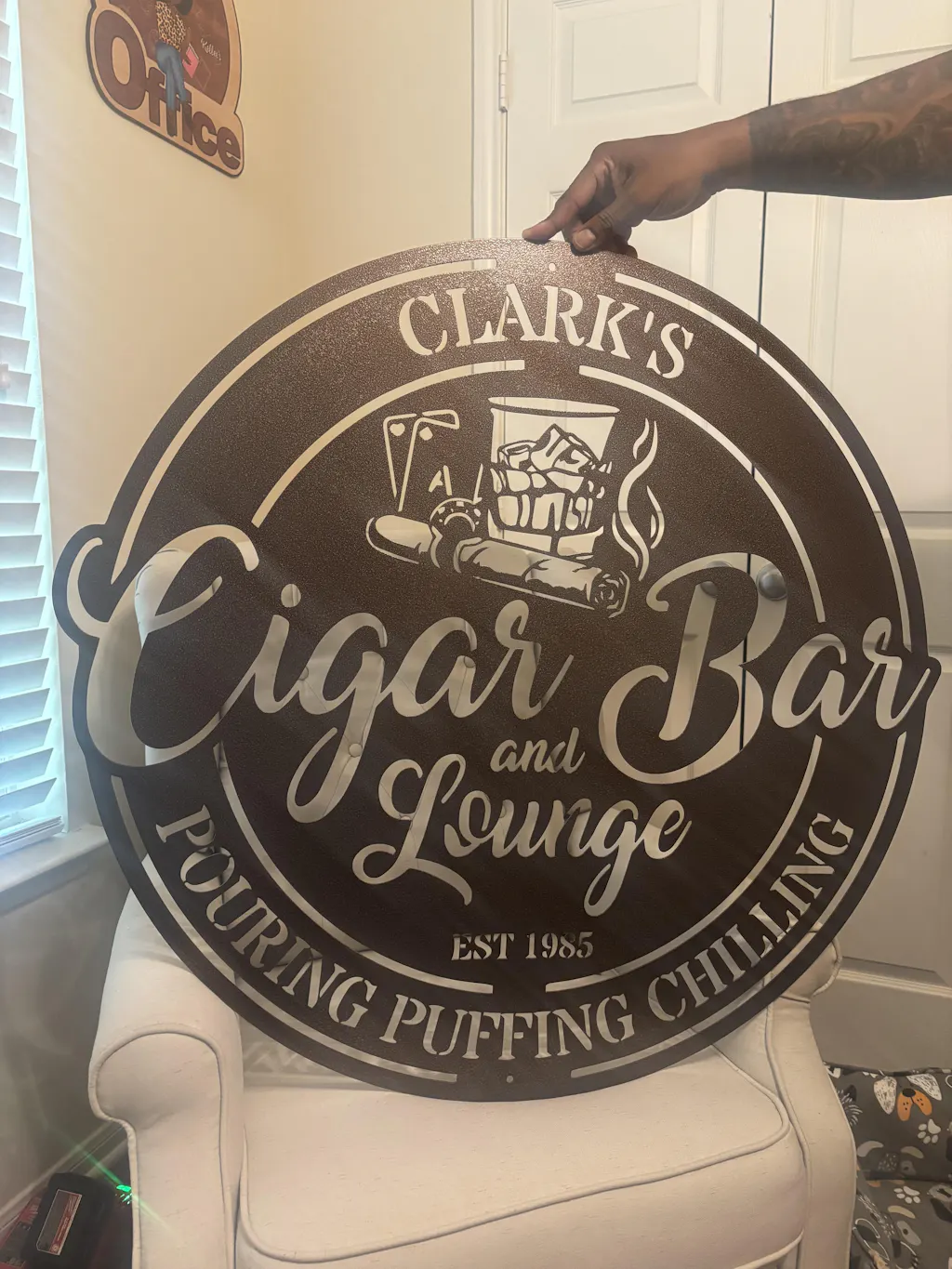
This is also where the wall behind your bar starts to matter as much as what's in the glasses. A shelf of bourbon, rye, scotch, and Irish whiskey deserves better than a blank wall. A laser-cut steel Glencairn glass or bar sign gives the whole setup a focal point, and it won't fade, peel, or need replacing the way a poster does. Browse the man cave and bar sign collection and see what fits your space.
Once you've got the categories straight, the fun part starts: tasting across them side by side and figuring out where your own preferences actually land. That's a project best done slowly, with good company, and absolutely no pressure to finish the bottle in one sitting.