
How to Host a Whiskey Tasting Your Friends Will Talk About
Share
The best whiskey tasting you'll ever throw has four or five bottles, not fifteen, and a clear reason those bottles are sitting next to each other. That's the whole secret. Pick a theme, pour small, go light to heavy, and give people something to write on. Do that and your friends will still be talking about it next month. Skip it and you've just hosted a regular party where everyone drank too fast.
Here's how to run one that lands.
Start With a Theme, Not a Bottle Count
A tasting needs a spine. Five random whiskeys is a liquor cabinet; five whiskeys with a reason is an experience. The theme does the heavy lifting because it gives everyone something to compare against.
Easy themes that always work: a single distillery across different ages or proofs, one style shown four ways (say, four wheated bourbons), or a "trip around the world" flight with a bourbon, a rye, a scotch, and an Irish whiskey. That last one is my go-to for a mixed crowd because nobody feels lost, and the contrasts are big enough that even a first-timer can taste the difference.
Keep it to four or five pours. Palate fatigue is real, and it hits faster than people expect. By glass six, everyone's just nodding and saying "yeah, that's good" because they genuinely can't tell anymore. Four sharp pours beat eight blurry ones every time.
Get the Order Right
Pour light to heavy, always. Start with the softest, lowest-proof, most approachable whiskey and build toward the biggest one. If you open with a barrel-proof monster, it scorches everyone's palate and the gentle stuff that follows tastes like water.
A reliable running order: a soft wheated bourbon first, then a standard 90-proof pour with some rye in the mash, then something older or more complex, and finally the high-proof or peated showstopper. If you're doing a scotch night, save the smokiest Islay for last for the same reason. Once the campfire shows up, it doesn't leave.
Pour small. Three-quarters of an ounce per person per whiskey is plenty. Do the math before your guests arrive: five people times five pours means you're using roughly four ounces of each bottle, so a single bottle covers a tasting with room to spare and a little left for a second look at the favorite.
The Gear You Actually Need
You don't need much, and you definitely don't need to spend a fortune. Matching glassware helps more than anything else on the list. Glencairn glasses are the standard for a reason: the tulip shape funnels the aroma up to your nose, which is where most of the flavor lives. If you don't have five, rocks glasses work fine. Consistency matters more than the exact shape, so just make sure everyone's drinking from the same kind of glass.
Beyond glasses, set out a pitcher of room-temperature water and a dropper or small spoon so people can add a few drops to open up the higher-proof pours. Put out plain crackers or a bit of bread to reset the palate between whiskeys. And skip the ice entirely for a tasting. Chilling mutes exactly the aromas you're trying to notice, and you can always drink the rest of the night however you like once the tasting's done.
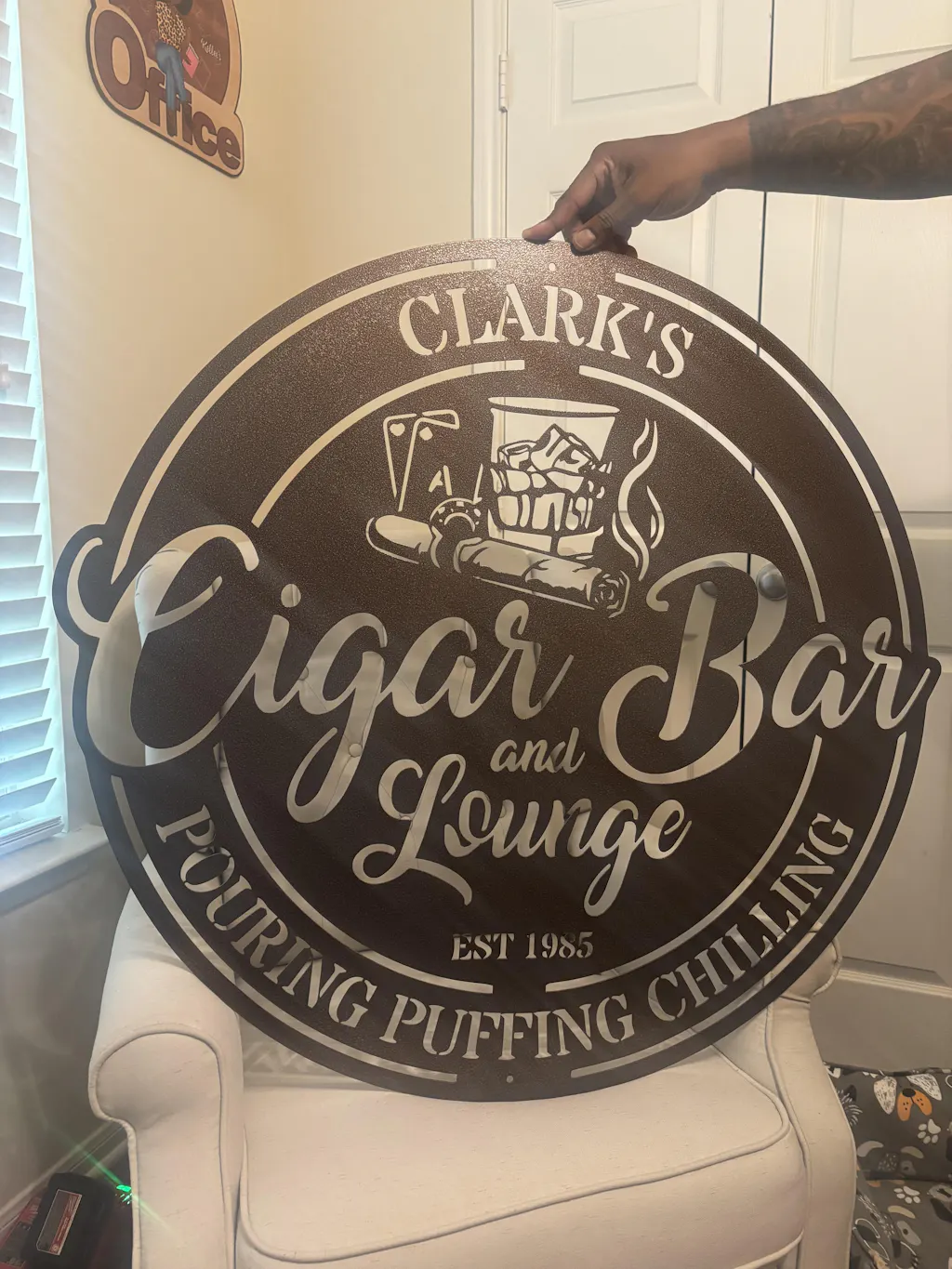
One thing that quietly makes a tasting feel legit: the room. A tasting held at a cluttered kitchen island feels like a chore. The same five pours on a cleared bar top, under warm light, with a steel Glencairn glass wall sign hanging behind the bottles, feels like an event. It signals that this corner is built for slowing down and paying attention, which is exactly the mood you want. If you're still pulling that space together, the Man Cave and home bar collection has the wall pieces that turn a blank wall into a backdrop worth pouring in front of.
Give People a Way to Take Notes
This is the step most home hosts skip, and it's the one that turns a nice night into a memorable one. Hand everyone a simple scorecard: the four categories (nose, palate, finish, and a 1-to-10 score) and a line for each whiskey. That's it.
The magic isn't the scoring, it's the pause. Writing something down forces people to actually slow down and think about what's in the glass instead of chatting through it. You'll hear better conversation, too, because now everyone has a reason to describe what they're tasting. Somebody always surprises themselves by loving the one they expected to hate.
Reveal the bottles at the end if you want to run it blind. Pour the whiskeys into numbered glasses in the kitchen, keep the labels hidden, and let people guess. Blind tasting strips away the brand loyalty and the price tags, and the results are almost always humbling. The expensive bottle doesn't always win. That reveal is the moment your guests remember.
Set the Pace, Then Get Out of the Way
Your job as host is to keep things moving without turning into a lecturer. Introduce each pour in a sentence or two, give people a few minutes to nose and sip and scribble, then move on. Don't tell them what they should be tasting before they've had a chance to find it themselves. Nothing kills a tasting faster than someone insisting everyone smell "the obvious green apple" that half the room doesn't get.
Match the weight, pour light to heavy, keep it to five, and give everyone something to write on. That's the entire playbook. The bottles matter less than the setup around them, and a tasting run with a little intention beats an expensive free-for-all every single time.