
The Old Fashioned: One Drink, Done Right
Share
Made right, an Old Fashioned takes four ingredients and about ninety seconds. Made wrong, it's a glass of muddled orange pulp and maraschino syrup with some bourbon swimming underneath. The gap between those two drinks has nothing to do with skill. It's knowing what belongs in the glass and, more importantly, what doesn't.
Here's the entire recipe: two ounces of whiskey, a quarter ounce of sugar syrup, two or three dashes of bitters, one big piece of ice, and an orange peel. Stir. Everything below is just how to make each of those five things good.
The Name Is a Complaint That Stuck
In 1806, "cocktail" meant one specific thing: spirit, sugar, water, and bitters. That was the definition, printed in a newspaper. By the late 1800s bartenders had gotten creative, stacking liqueurs and syrups and fruit into everything, and a certain kind of drinker got tired of it. He started asking for his whiskey cocktail the old-fashioned way.
So the name is basically a guy grumbling about trends, which explains a lot about why it's endured. Then Prohibition wrecked it. Bad whiskey needed covering up, and the mid-century version arrived buried under muddled cherries, orange slices, and a splash of soda. Plenty of bars still serve that. You don't have to.
Pick a Whiskey With Some Backbone
Bourbon or rye both work, and they make genuinely different drinks. Bourbon brings caramel, vanilla, and a rounder sweetness. Rye brings black pepper and a drier finish that pushes back against the sugar. Try both before you decide you're a bourbon person.
Proof matters more than the label. Anything under 90 proof gets flattened by dilution, and you'll wonder why your drink tastes like sweet water. Aim for 95 to 110. Bottled-in-bond bourbons sit at exactly 100 proof and usually cost under thirty dollars, which makes them the best value on the shelf for this. Save the twelve-year single barrel for a Glencairn and drink it neat.
Sugar: Syrup Beats the Cube
Purists muddle a sugar cube with bitters and a splash of water. It's traditional, it's also how you end up with grit in the bottom of your glass and a drink that gets sweeter as it sits.
Syrup dissolves instantly and gives you control. Rich simple syrup, two parts sugar to one part water, is the workhorse. Demerara syrup is better with bourbon because the molasses in the sugar echoes what the barrel already put there. Start at a quarter ounce for two ounces of whiskey, taste, adjust from there. Maple syrup works beautifully in the fall and needs no prep at all.
Bitters Do the Heavy Lifting
Two or three dashes of Angostura. That's the baseline, and it's not optional. Bitters are the seasoning in this drink, the thing that turns whiskey and sugar into something with structure and a finish. Skip them and you've made whiskey-flavored candy.
Once you've got Angostura down, split the difference with orange bitters, one dash of each. Black walnut bitters with rye in cold weather is a small revelation.
Ice Is an Ingredient, Not a Delivery System
Build the drink in a mixing glass with plenty of ice and stir for twenty to thirty seconds. You're chilling it and diluting it on purpose. That water is doing real work, opening up the whiskey and softening the alcohol burn. Under-stirred Old Fashioneds taste harsh and closed off.
Then strain it over one large cube in a rocks glass. A single big cube has less surface area, so it melts slowly and the last third of your drink still tastes like a drink. Cheap silicone molds handle this fine. The heavy glass matters too, more than people expect, because the weight in your hand is part of why this thing feels like an occasion instead of a beverage.
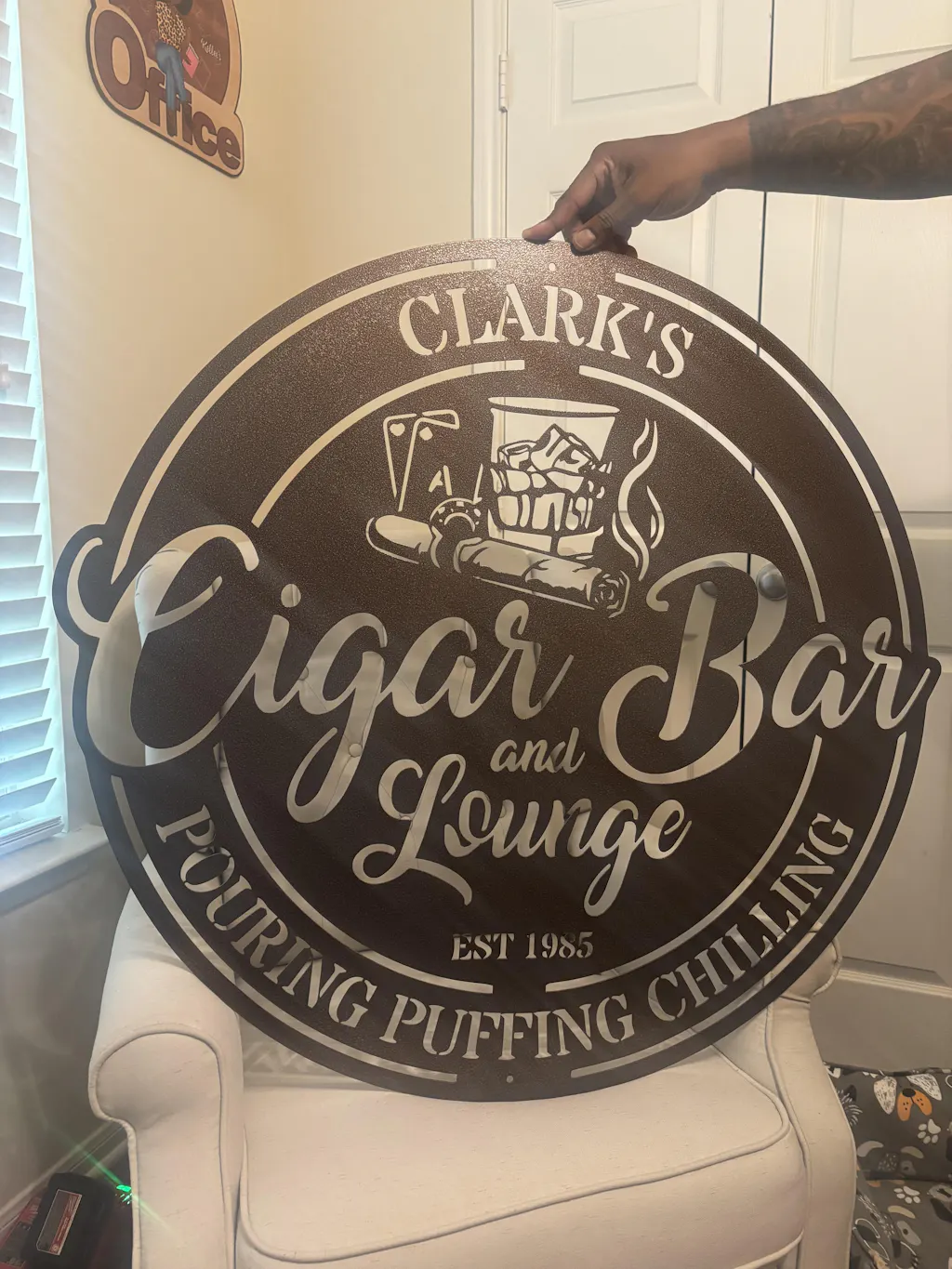
That's the same logic behind a bar wall that looks intentional. A Personalized Bourbon Whiskey Rocks Glass Metal Wall Art piece over the bar cart puts the drink you actually pour on the wall in laser-cut steel, with your name on it. Browse the full Man Cave collection →
The Peel Is Not a Garnish
Cut a wide strip of orange peel, pith side up, and squeeze it over the surface of the drink. You'll see the oils spray across the top. That's the aroma you get every time you lift the glass, and it changes the drink more than any other single move in the recipe. Rub the peel around the rim, then drop it in.
Cherries are fine if they're Luxardo. The neon ones from the grocery store belong on a sundae.
Five Ways People Wreck It
Muddling fruit into the bottom of the glass. Adding soda water. Shaking instead of stirring, which leaves it cloudy and thin. Over-sweetening because the whiskey is too cheap to stand on its own. And serving it cold but barely diluted, which is a mistake most home bartenders make for years without knowing it.
Then Make It Yours
Swap the syrup for maple and the bourbon for rye and you've got a cocktail built for October. Split the base half tequila and half mezcal with chocolate bitters for an Oaxaca Old Fashioned. Use aged rum. Toast the orange peel with a lighter first. The template is forgiving once you respect the ratio.
Get the ice right, get the proof right, and use the peel. Everything else is preference, and preference is the whole point of building a bar you actually want to stand behind.